
This Eating Disorder Awareness Week
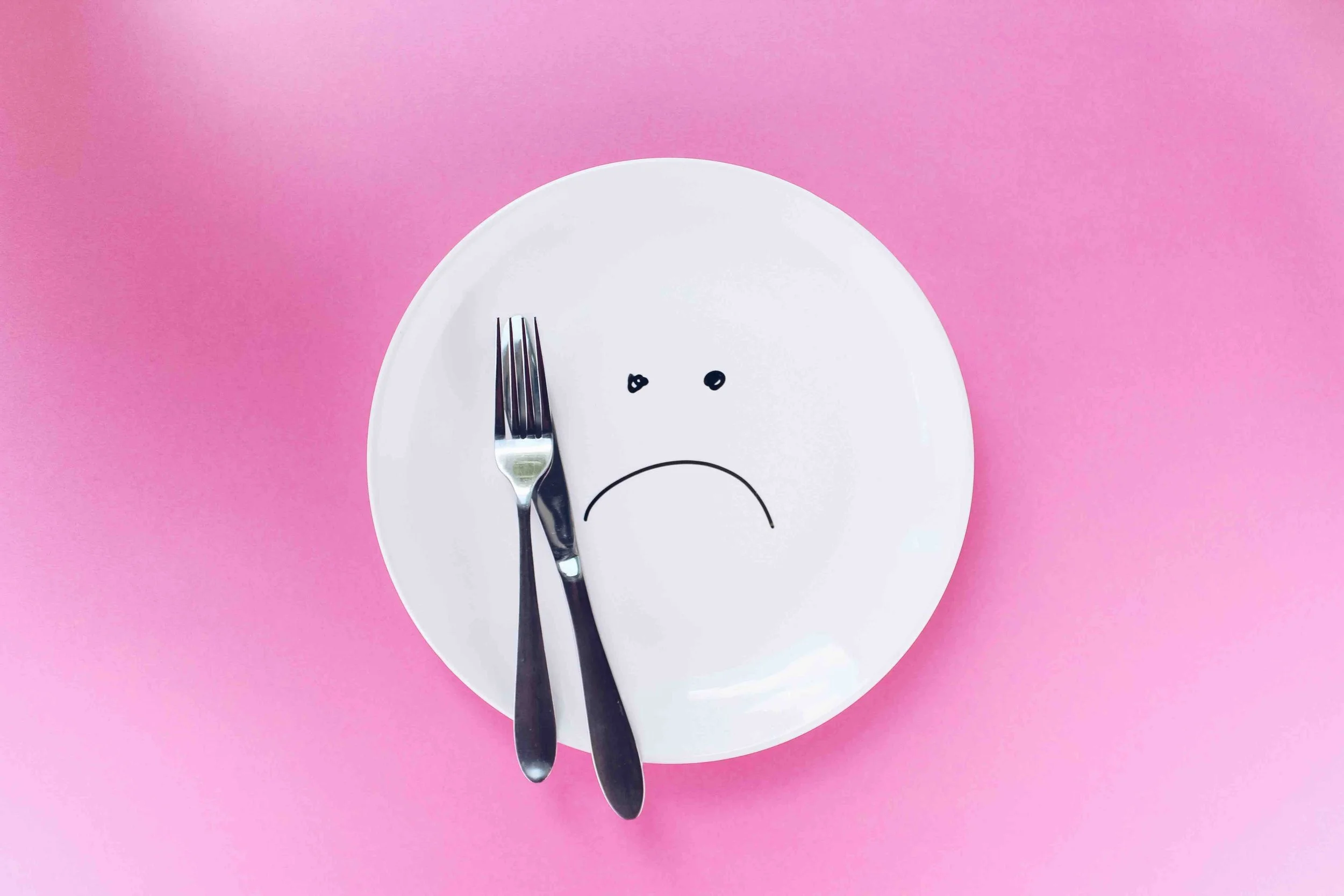
This Eating Disorder Awareness Week (23rd February to 1st March 2026) BTG therapist Rachel N reflects on the part that counselling can play in recovery from disordered eating.
Disordered Eating – How Can Counselling Help?
Disordered eating does not discriminate; it can affect anybody, at any age, any size, and from any walk of life.
Struggling with food is confusing and exhausting, taking up a vast amount of emotional space and energy. It can feel like there is no respite – after all, food is essential for life and health, as well as being a fundamental part of our daily routines and social events. You may feel stuck in patterns which are harmful or difficult to talk about. Counselling can help you;
1. Understand your relationship with food and your body
Your therapist will work to get alongside you and understand your unique relationship with food and your body. This may include factors like your family history, early life experiences, social and cultural pressures, physical health issues, and sensory sensitivities.
2. Develop alternative strategies to manage difficult thoughts and feelings
Disordered eating is rarely just about food; often, it can become a way of coping with challenging thoughts, feelings, or experiences. Counselling can support you to recognise what your eating patterns have been trying to manage and begin developing alternative ways of responding to distress.
3. Learn to meet yourself with acceptance and self-compassion
Your therapist will meet you with the warmth, curiosity, and acceptance that you may be finding difficult to extend to yourself. This can help to loosen the grip of shame that often keeps disordered eating going and cultivate a kinder, more compassionate inner voice.
If any part of this resonates with you, you’re very welcome to get in touch. We offer a free initial assessment where you can ask questions, share a little about what’s been happening, and see whether working together feels like a good fit.
Other Sources of Support
SWEDA – Support for those affected by eating disorders in Oxfordshire.
Website: https://swedauk.org/Beat – A UK charity offering information, helplines, online support groups and guidance for anyone affected by eating disorders.
Website: https://www.beateatingdisorders.org.uk/Speak to your GP – If you have concerns about your relationship with food, it is important to discuss this with your GP. Understandably, this can feel daunting. Beat has developed a helpful leaflet to support you in preparing for your first appointment which you can download here: https://www.beateatingdisorders.org.uk/documents/945/Beat_GP_Leaflet_Digital_2024.pdf